What is frequency?
* Frequency refers to the number of complete cycles of a wave that occur in one second. It is measured in Hertz (Hz), where 1 Hz represents one cycle per second.
How does frequency apply to periodic waves?
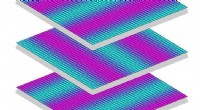
* Periodic waves are characterized by repeating patterns. They have a specific wavelength (distance between two consecutive crests or troughs) and a specific period (time taken for one complete cycle).
* Frequency is inversely proportional to the period. This means a wave with a shorter period will have a higher frequency, and vice versa. The relationship is:
* Frequency (f) = 1 / Period (T)
* Frequency determines the pitch of sound waves. Higher frequency sound waves correspond to higher pitches.
* Frequency also determines the color of light waves. Higher frequency light waves appear as blue or violet, while lower frequency waves appear as red or orange.
Examples:
* Sound waves: A high-pitched whistle has a higher frequency than a low-pitched bass note.
* Light waves: Red light has a lower frequency than blue light.
* Radio waves: AM radio waves have lower frequencies than FM radio waves.
In summary:
Frequency is a crucial characteristic of periodic waves, directly related to the repetition rate of the wave pattern. It plays a significant role in determining the properties of various waves, including sound and light.