1. Electronics:
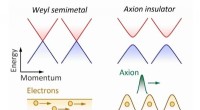
* Semiconductors: The very foundation of modern electronics relies on understanding the behavior of electrons in materials like silicon. Physicists developed the theory of band structure and doping, allowing for transistors, integrated circuits, and the entire digital revolution.
* Lasers: Lasers, emitting highly focused and coherent light, are based on the principles of quantum mechanics and energy levels in atoms. They power everything from barcode scanners to optical fiber communication and even laser surgery.
* Solar Cells: The photoelectric effect, discovered by Albert Einstein and explained through quantum physics, allows solar cells to convert sunlight directly into electricity. This is a crucial technology for renewable energy.
2. Transportation and Energy:
* Internal Combustion Engines: From cars to airplanes, these engines rely on thermodynamics, the study of heat transfer and energy transformations. Efficiency, power output, and fuel consumption are all governed by physical principles.
* Electric Vehicles: Batteries, electric motors, and charging systems in electric vehicles all draw heavily from the principles of electromagnetism and thermodynamics.
* Nuclear Power: Nuclear reactors harness the power of nuclear fission, a process explained by nuclear physics. This technology has the potential to provide vast amounts of energy but also presents complex challenges.
3. Communication:
* Radio Waves: The transmission and reception of radio signals rely on the generation and propagation of electromagnetic waves. Physicists like Hertz and Maxwell laid the groundwork for this technology.
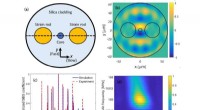
* Fiber Optics: Light travels through fiber optic cables with minimal loss, enabled by the principles of wave optics and total internal reflection. This allows for incredibly fast and reliable data transfer.
* GPS: Satellite navigation systems like GPS use precise time measurements based on Einstein's theory of relativity. This allows for accurate location tracking and timekeeping.
4. Medicine and Healthcare:
* Medical Imaging: X-rays, CT scans, and MRI machines use various forms of electromagnetic radiation and magnetic fields to create detailed images of the human body. These techniques are based on principles from physics and have revolutionized diagnosis and treatment.
* Radiation Therapy: Cancer treatment often involves using radiation, carefully controlled and focused using principles of nuclear physics and dosimetry.
* Nanotechnology: Understanding the behavior of materials at the atomic level allows for the development of nanomedicine, where tiny particles can deliver drugs directly to target cells.
5. Everyday Technologies:
* Refrigeration: Refrigerators and air conditioning systems rely on thermodynamics to move heat from one place to another.
* Sound Systems: Speakers, microphones, and headphones use the principles of sound waves, acoustics, and electromagnetism to create, capture, and reproduce sound.
* Computers: From the fundamental structure of transistors to the design of hard drives, computers are deeply rooted in physics.
These examples demonstrate the pervasive influence of physics in shaping modern technologies. As we continue to explore the universe and the laws of nature, new discoveries will undoubtedly lead to even more innovative and impactful technologies in the future.