In physical science, friction is a force that opposes the relative motion of two surfaces in contact. It's a fundamental concept that explains why things slow down and why we can walk, drive, and even hold objects in our hands. Here's a breakdown:
What causes friction?
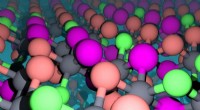
Friction arises due to the microscopic irregularities on the surfaces of objects. These irregularities, like bumps and grooves, interact with each other when two surfaces touch. This interaction creates a force that resists motion.
Types of friction:
* Static friction: The force that prevents an object from moving when a force is applied to it. It's what keeps your shoes from sliding on the ground when you stand still.
* Kinetic friction: The force that opposes the motion of an object that is already moving. This is what makes a moving car slow down when the brakes are applied.
* Rolling friction: The force that opposes the motion of a rolling object. This is what makes it easier to move a heavy object on wheels.
* Fluid friction: The force that opposes the motion of an object through a fluid (like air or water). This is what makes a parachute slow down a skydiver.
Factors affecting friction:
* Nature of the surfaces: Smoother surfaces have less friction than rougher surfaces.
* Normal force: The force pressing the surfaces together. The greater the normal force, the greater the friction.
* Area of contact: Generally, a larger contact area results in higher friction. However, this isn't always the case, and the shape of the surfaces plays a role.
* Velocity: Kinetic friction can sometimes increase with velocity.
Consequences of friction:
* Loss of energy: Friction converts kinetic energy into heat, which can be a problem in some situations (e.g., overheating engines).
* Wear and tear: Friction can cause surfaces to wear down over time.
* Stability and control: Friction is essential for many activities, like walking, driving, and writing.
Understanding friction is crucial in various fields, including:
* Engineering: Designing machines and structures that minimize or maximize friction as needed.
* Physics: Studying the fundamental laws of motion and energy.
* Everyday life: Friction is everywhere, from walking on a sidewalk to playing sports.
By understanding friction, we can better comprehend the world around us and develop technologies that take advantage of or minimize its effects.