Physics:
* Classical Mechanics: Study of motion, forces, and energy. Examples: Newton's laws of motion, momentum, work, energy, etc.
* Electricity and Magnetism: Study of electric charges, currents, magnetic fields, and their interactions. Examples: circuits, electromagnetism, etc.
* Thermodynamics: Study of heat, temperature, and their relation to energy. Examples: heat transfer, entropy, etc.
* Optics: Study of light and its behavior. Examples: reflection, refraction, diffraction, etc.
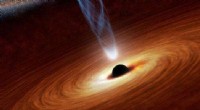
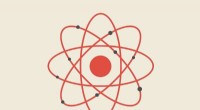
* Modern Physics: Study of the very small (quantum mechanics) and the very fast (relativity). Examples: atoms, subatomic particles, black holes, etc.
Chemistry:
* Inorganic Chemistry: Study of the properties and reactions of non-carbon containing compounds. Examples: metals, salts, acids, bases, etc.
* Organic Chemistry: Study of the properties and reactions of carbon-containing compounds. Examples: hydrocarbons, polymers, pharmaceuticals, etc.
* Analytical Chemistry: Study of the composition and structure of matter. Examples: chromatography, spectroscopy, etc.
* Physical Chemistry: Study of the physical properties of matter and how they relate to chemical reactions. Examples: thermodynamics, kinetics, etc.
Other:
* Astrophysics: Study of celestial objects and their properties. Examples: stars, planets, galaxies, etc.
* Geophysics: Study of the Earth's physical properties and processes. Examples: earthquakes, volcanoes, plate tectonics, etc.
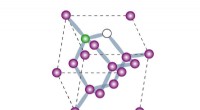
* Materials Science: Study of the properties and applications of materials. Examples: metals, ceramics, polymers, composites, etc.
* Biophysics: Study of the physical principles underlying biological systems. Examples: muscle contraction, DNA structure, etc.
This is not an exhaustive list, but it gives you a good idea of the diverse range of topics that fall under the umbrella of physical science.