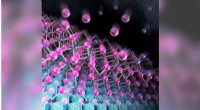
1. Air is made of molecules in constant motion: Air isn't empty space; it's filled with tiny particles called molecules, primarily nitrogen and oxygen. These molecules are always moving randomly, bouncing off each other and the surfaces they encounter.
2. Collisions create pressure: Every time an air molecule collides with a surface, it exerts a tiny force. The more molecules there are in a given space, the more collisions occur, and the greater the force.
3. Air pressure is the force per unit area: We define air pressure as the total force exerted by these collisions on a specific area. So, the higher the number of air molecules in a given space, the higher the pressure.
4. How pressure exerts force: Imagine a balloon filled with air. The air molecules inside are constantly colliding with the balloon's inner surface. These collisions exert a force outward, pushing against the balloon. This outward force is what keeps the balloon inflated.
Examples:
* Wind: Wind is essentially moving air. The pressure difference between areas of high and low pressure causes air to flow from the higher pressure area to the lower pressure area, creating wind. This pressure difference can exert significant force, as seen in strong gusts or hurricanes.
* Breathing: We use air pressure to breathe. When we inhale, our diaphragm contracts, increasing the volume of our chest cavity and decreasing the pressure inside our lungs. This creates a pressure difference with the outside air, causing air to flow into our lungs.
In summary, air pressure is a result of the continuous collisions of air molecules. These collisions exert a force that can be used to perform various tasks, like inflating balloons, generating wind, and even allowing us to breathe.