What is Drag?
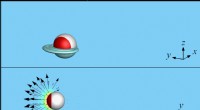
* Force Opposing Motion: Drag is a force that acts opposite to the direction of motion of an object moving through a fluid.
* Fluid Resistance: It's caused by the friction between the object's surface and the fluid molecules.
* Dependent on Factors: The amount of drag depends on several factors:
* Shape and Size of the Object: Streamlined objects experience less drag than bulky objects.
* Velocity of the Object: Faster movement means more drag.
* Density of the Fluid: Denser fluids (like water) create more drag than less dense fluids (like air).
* Surface Texture: A smooth surface experiences less drag than a rough surface.
Types of Drag:
* Skin Friction Drag: This is due to the friction between the fluid and the object's surface. It's most significant for objects with a large surface area.
* Pressure Drag (Form Drag): This arises from the difference in pressure between the front and back of the object. It's significant for objects with a less streamlined shape.
* Wave Drag: This occurs when an object moves through a fluid at high speeds, creating waves. It's significant for boats and airplanes.
Examples of Drag in Science:
* Aerodynamics: Drag is a crucial factor in designing airplanes and other vehicles that travel through air.
* Hydrodynamics: Drag affects the movement of boats, submarines, and marine organisms.
* Sports: Drag influences the performance of athletes in swimming, cycling, and running.
Understanding Drag is essential for:
* Engineering: Optimizing the design of vehicles and other objects for reduced drag.
* Fluid Dynamics: Understanding the forces that govern the motion of fluids.
* Physics: Studying the interaction between objects and fluids.
Let me know if you have any more specific questions about drag in science!