1. Surface Irregularities:
* Even seemingly smooth surfaces have microscopic bumps, ridges, and irregularities.
* When two surfaces slide against each other, these irregularities interlock, creating resistance.
* Imagine trying to push a rough brick over another rough brick – the bumps catch and hinder movement.
2. Adhesion:
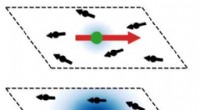
* At the atomic level, there are weak forces of attraction (Van der Waals forces) between molecules of the two surfaces in contact.
* When the surfaces move relative to each other, these attractive forces need to be overcome, causing friction.
3. Deformation:
* When surfaces move, they can deform slightly, leading to a loss of energy.
* This deformation can be elastic (temporary) or plastic (permanent) depending on the materials involved.
* The energy lost to deformation contributes to the resistance to motion.
4. Interlocking:
* For some materials, like rubber, the microscopic irregularities interlock and deform, creating a strong resistance to motion.
* This is known as "hysteresis" and is a major contributor to friction in tires.
5. Other Factors:
* Surface Area: Larger surface areas in contact result in greater friction.
* Normal Force: The force pressing the surfaces together (normal force) directly affects friction. Higher normal force means greater friction.
* Material Properties: The materials of the surfaces play a crucial role. Rougher materials with stronger intermolecular forces will generally have higher friction.
Consequences of Friction:
* Energy Loss: Friction converts kinetic energy into heat, which is why rubbing your hands together makes them warm.
* Wear and Tear: Friction can wear down surfaces over time.
* Braking: Friction is essential for braking in vehicles.
* Walking and Running: Friction allows us to move without slipping.
Overall, friction is a complex phenomenon arising from the interaction of surfaces at a microscopic level. While it can be a source of energy loss and wear and tear, it's also crucial for many essential functions in our daily lives.