1. Reflection:
* Specular Reflection: This is the familiar "mirror-like" reflection we see on smooth surfaces like glass or polished metal. The angle of incidence (the angle at which light hits the surface) equals the angle of reflection.
* Diffuse Reflection: This occurs on rough surfaces like paper or a wall. Light is scattered in many directions, resulting in a soft, non-reflective appearance.
2. Refraction:
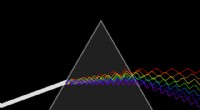
* Bending of Light: When light passes from one medium to another (e.g., air to water), it changes speed and direction. This bending is called refraction.
* Examples: A straw appearing bent in a glass of water, rainbows formed by sunlight refracting through raindrops.
* Snell's Law: This law describes the relationship between the angles of incidence and refraction, and the refractive indices of the two media.
3. Absorption:
* Energy Conversion: Some materials absorb light energy, converting it into other forms, like heat. This is why dark surfaces tend to get hotter in sunlight than lighter ones.
* Color Perception: The color of an object is determined by the wavelengths of light it absorbs and reflects. For example, a red apple absorbs all colors except red, which it reflects.
4. Transmission:
* Passing Through: Transparent materials like glass allow light to pass through them with little absorption or scattering.
* Translucency: Translucent materials, like frosted glass, allow some light to pass through but scatter it, making the image blurry.
5. Diffraction:
* Bending Around Edges: Light waves bend slightly as they pass around obstacles or through narrow openings. This phenomenon creates diffraction patterns, like the fringes you see around the shadow of an object.
6. Polarization:
* Restricting Light Waves: Some materials can filter light waves, allowing only those vibrating in a specific plane to pass through. This is known as polarization.
* Applications: Polarized sunglasses reduce glare by blocking horizontally polarized light reflected from surfaces.
Key Factors Affecting Light Behavior:
* Material Properties: The composition, density, and structure of a material significantly affect how it interacts with light.
* Wavelength: Different wavelengths of light (colors) interact differently with materials.
* Angle of Incidence: The angle at which light hits a surface influences the amount of reflection, refraction, and absorption.
In summary, light's behavior when striking different materials is a complex interplay of reflection, refraction, absorption, transmission, diffraction, and polarization. These interactions determine how we perceive the world, from the colors we see to the rainbows we admire.