What WILL occur:
* Refraction: This is the bending of light as it passes from one medium (air) to another (glass). The change in speed of light causes this bending.
* Reflection: Some of the light will bounce off the surface of the glass. This is called reflection. A portion of the light will be reflected at the front surface of the glass, and another portion will be reflected at the back surface.
* Absorption: Some of the light energy will be absorbed by the glass, and this will cause the glass to warm slightly.
What WILL NOT occur:
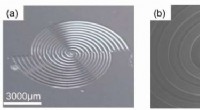
* Diffraction: Diffraction is the spreading of light waves as they pass through a narrow opening or around an obstacle. A smooth pane of glass does not provide the necessary narrow openings or obstacles for diffraction to occur in a significant way. While *some* diffraction *might* happen at the edges of the glass, it will be minimal compared to the other effects.
In summary: The most prominent interactions of light with a smooth pane of glass are refraction and reflection. Absorption also occurs, but to a lesser extent. Diffraction is unlikely to be noticeable.