1. Photon Absorption and Electron Excitation:
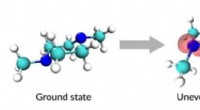
* Photon Absorption: When a photon of the right energy strikes an atom, an electron can absorb that energy. This excites the electron, moving it to a higher energy level within the atom.
* Electron Excitation: Imagine the electron orbits like a planet around the sun. The absorbed photon energy boosts the electron to a higher "orbit," further away from the nucleus.
2. Excited Electron Relaxation:
* Excited State is Unstable: The electron in this excited state is unstable and wants to return to its lower energy level.
* Emission of Energy: To return to its ground state, the electron releases the absorbed energy as a photon or through other mechanisms like collision with other atoms.
3. Increased Atomic Motion:
* Energy Transfer: The energy released by the electron doesn't always result in the emission of another photon. A portion of this energy can be transferred to the atom's nucleus. This transfer increases the nucleus's kinetic energy.
* Vibrational and Rotational Motion: This increased kinetic energy manifests as increased vibrational (back-and-forth) and rotational (spinning) motion of the atom. The atom moves faster, leading to a greater kinetic energy of the overall material.
In Summary:
* The absorption of photons excites electrons within atoms.
* When excited electrons relax, some energy is transferred to the nucleus, increasing the atom's internal motion.
* This increased internal motion translates to increased atomic motion, contributing to the overall temperature of the material.
Important Note: While electrons are the primary absorbers of photon energy, the entire atom experiences the effects of the increased energy. This includes the nucleus and any surrounding electrons.