How Conduction Works:
* Direct Contact: Conduction occurs when heat is transferred from a warmer object to a cooler object through direct contact.
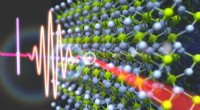
* Molecular Vibrations: Molecules in the warmer object vibrate more rapidly, and these vibrations are transferred to the molecules of the cooler object during contact.
* Solid, Liquid, and Gases: Conduction can happen in solids, liquids, and gases, but it's most efficient in solids where molecules are packed closer together.
Conduction in the Atmosphere:
* Ground Contact: The most significant conduction in the atmosphere happens near the Earth's surface. The ground, warmed by solar radiation, transfers heat to the air molecules in direct contact. This warms the air layer closest to the ground.
* Air to Air: Conduction also occurs between air molecules themselves. However, because air is a poor conductor (molecules are far apart), this transfer is relatively slow.
* Limited Impact: Conduction is less important than convection (heat transfer through movement of fluids) and radiation (heat transfer through electromagnetic waves) for overall atmospheric heating.
Factors Affecting Conduction:
* Temperature Difference: The greater the temperature difference between the objects, the faster the heat transfer.
* Material Properties: The material's conductivity determines how easily heat flows through it. Air is a poor conductor, while metals are excellent conductors.
In summary: Conduction is a minor contributor to atmospheric heating compared to convection and radiation. It plays a role in warming the lower layer of the atmosphere through contact with the ground, but its impact is limited due to the low density and poor conductivity of air.