Least Light Transmission:
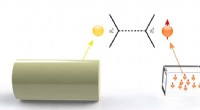
1. Opaque: These materials block all light from passing through. They absorb or reflect all light that hits them.
* Examples: Wood, metal, brick, concrete.
2. Translucent: These materials allow some light to pass through, but the image on the other side is blurry or distorted.
* Examples: Frosted glass, waxed paper, some fabrics.
Most Light Transmission:
3. Transparent: These materials allow most or all light to pass through, creating a clear view of what's on the other side.
* Examples: Glass, water, air, clear plastic.
Key Points:
* Light absorption: Opaque materials absorb the most light, while transparent materials absorb the least.
* Light scattering: Translucent materials scatter light, which is why the image is blurred.
* Light reflection: While not directly related to transmission, reflection also plays a role. Opaque materials reflect more light than transparent ones.
Let me know if you'd like more details on any of these!