1. Controlled Environment:
* Minimizing External Influences: Laboratories provide a controlled environment where variables can be carefully isolated and manipulated. This minimizes the influence of external factors like temperature, humidity, air currents, or electromagnetic interference that could affect the results of the experiment.
* Reproducibility: A controlled environment allows for the experiment to be repeated multiple times under identical conditions, ensuring reproducibility of the results and eliminating potential inconsistencies.
2. Specialized Equipment:
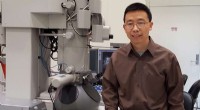
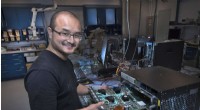
* Precision Instruments: Laboratories are equipped with specialized instruments and tools designed to measure and manipulate physical quantities with high precision. Examples include oscilloscopes, lasers, particle accelerators, and sophisticated detectors.
* Safety: Many experiments involve potentially hazardous materials or conditions. Laboratories are designed with safety features and procedures to protect researchers and minimize risks.
3. Collaboration and Resources:
* Teamwork: Physics research often involves collaboration between scientists from different disciplines. Laboratories provide a dedicated space for teams to work together, share ideas, and utilize shared resources.
* Resources: Laboratories have access to a wide range of resources, including funding, technical support, and computational facilities, which are essential for conducting complex physics experiments.
4. Data Analysis and Interpretation:
* Dedicated Space: Laboratories provide a space for data analysis and interpretation, with access to computers, software, and specialized equipment for processing and visualizing experimental data.
* Sharing Results: Laboratories facilitate the sharing of results within the research community through publications, presentations, and collaborations.
5. Safety and Security:
* Controlled Access: Laboratories often have controlled access to ensure the safety of researchers and the integrity of experiments. This can involve security measures like locked doors, security cameras, and personnel identification systems.
* Environmental Protection: Laboratories may have safety protocols in place to prevent the release of hazardous materials into the environment and protect sensitive equipment from damage.
In summary, laboratories provide a controlled, safe, and resource-rich environment that is essential for conducting rigorous and reproducible physics experiments.