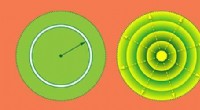
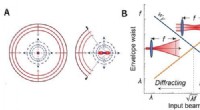
High Intensity: The amount of light energy per unit area is significantly greater than in normal ambient light. This can be achieved by focusing the light source, using powerful light sources, or both.
Directionality: The light travels in a narrow, well-defined path. This means it is highly focused, unlike ambient light which scatters in all directions.
High Brightness: This refers to the overall intensity of the light source, not just the concentration of light in the beam. A highly intense beam of light is typically also very bright.
Examples of Intense Beams of Light:
* Laser beams: Lasers are known for their focused, intense beams of light, with applications ranging from barcode scanners to medical surgery.
* Searchlights: These powerful lights create a narrow, focused beam of light that can travel long distances.
* Headlights: While not as intense as lasers, car headlights are designed to project a focused beam of light for better visibility.
* Flashlights: Some flashlights, especially those using LED technology, can produce relatively intense beams of light.
Effects of Intense Beams of Light:
* Heating: Intense beams of light can generate significant heat, which can be used for applications such as welding or cutting materials.
* Stimulation: Some materials are sensitive to specific wavelengths of light, and intense beams can trigger reactions or changes in their properties.
* Damage: Intense beams of light can be harmful to eyes and skin, so appropriate safety precautions are always necessary.
Note: The specific characteristics of an "intense beam of light" can vary widely depending on the application and the source of the light.