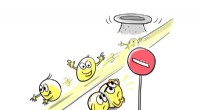
Here's a breakdown of the key aspects:
* Fluid Friction: It's the resistance encountered by an object moving through a fluid (liquid or gas). This resistance arises from the interaction between the object's surface and the fluid molecules.
* Types of Fluid Friction:
* Viscous Friction: This type of friction is dominant in fluids like honey or oil where molecules are strongly attracted to each other. It's caused by the internal resistance within the fluid itself.
* Surface Friction: This occurs as the fluid's molecules interact directly with the surface of the moving object. It's the friction between the fluid and the object's surface.
* Factors Affecting Fluid Friction:
* Fluid Viscosity: Thicker fluids (higher viscosity) create more friction.
* Object Speed: The faster the object moves, the greater the friction.
* Object Shape: Streamlined shapes reduce friction, while irregular shapes increase it.
* Fluid Density: Denser fluids (like water) create more friction than less dense fluids (like air).
Examples of Fluid Friction:
* Swimming: The water resistance you feel while swimming is fluid friction.
* Flying: Air resistance encountered by airplanes is fluid friction.
* Cycling: The wind resistance you feel while cycling is fluid friction.
* Falling Objects: Air resistance slows down falling objects, acting as fluid friction.
Understanding fluid friction is essential in various fields like aeronautics, marine engineering, and even sports.