* Magnetic Fields: Every magnet generates an invisible area of influence called a magnetic field. These fields extend outward from the magnet and can be visualized as lines of force.
* Attraction and Repulsion: Magnetic fields interact with other magnetic materials. Like poles (North-North, South-South) repel each other, while opposite poles (North-South) attract each other. This force of attraction or repulsion can cause movement.
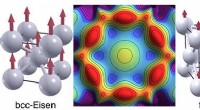
* Magnetization: Some materials, like iron, nickel, and cobalt, are easily magnetized. When a magnet is brought near these materials, their atoms align themselves to create a temporary magnetic field. This alignment creates a force of attraction or repulsion, resulting in movement.
Examples of Magnets Making Things Move:
* Compass: A compass needle is a small magnet that aligns itself with the Earth's magnetic field, pointing towards magnetic North.
* Electric Motors: Motors use magnets to create a rotating force. A current-carrying wire within a magnetic field experiences a force that makes it rotate.
* Magnetic Levitation (Maglev) Trains: Maglev trains use powerful magnets to lift the train slightly above the track, reducing friction and allowing for high speeds.
* Magnetic Stirrers: These devices use a rotating magnet to stir liquids in laboratory settings.
In summary: Magnets can make things move by creating magnetic fields that attract or repel other magnetic materials, or by inducing temporary magnetism in non-magnetic materials. This force of attraction or repulsion can result in a variety of movements.