Here's how it works:
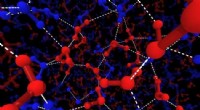
* Particles in motion: All matter is made up of particles (atoms or molecules) that are constantly in motion, vibrating and colliding with each other.
* Energy transfer: When these particles collide, they transfer kinetic energy to each other. This energy transfer is what we perceive as heat.
* Temperature difference: Conduction occurs most effectively when there is a temperature difference between two regions of matter. The hotter region has particles with more kinetic energy, and these particles transfer energy to the colder region's particles through collisions.
Examples of conduction:
* Heating a pan on a stove: The heat from the stovetop transfers to the pan's metal, and then from the pan to the food inside.
* Touching a hot object: The heat from the hot object transfers to your hand through conduction.
* Holding a cold drink: Heat transfers from your hand to the cold glass and drink.
Key factors influencing conduction:
* Material: Different materials conduct heat at different rates. Metals are good conductors, while materials like wood and plastic are poor conductors (also called insulators).
* Temperature difference: The greater the temperature difference, the faster the rate of heat transfer.
* Area of contact: The larger the area of contact, the faster the heat transfer.
* Thickness of the material: The thicker the material, the slower the heat transfer.