Here's a breakdown:
* Drag is a type of friction that occurs when an object moves through a fluid (like air or water).
* It acts in the opposite direction of the object's motion, slowing it down.
* The force of drag is influenced by various factors, including:
* Speed of the object: The faster the object moves, the greater the drag force.
* Shape of the object: Streamlined shapes (like an airplane wing) experience less drag than blunt shapes (like a parachute).
* Surface area of the object: Larger surface areas exposed to the air result in greater drag.
* Density of the fluid: Denser fluids (like water) create higher drag forces than less dense fluids (like air).
Examples of drag in action:
* A car driving on a highway: The air pushes against the car, creating drag that resists its forward motion.
* An airplane in flight: The wings are designed to minimize drag, allowing the plane to fly efficiently.
* A skydiver falling through the air: The parachute creates a large amount of drag, slowing the skydiver's descent.
Understanding drag is crucial in various fields, including:
* Aerodynamics: Designing vehicles (cars, planes, etc.) to minimize drag for better fuel efficiency.
* Sports: Athletes use techniques to reduce drag (like streamlined swimming strokes) to improve performance.
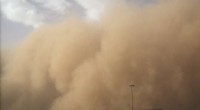
* Meteorology: Understanding wind drag is essential for forecasting weather patterns and predicting the movement of storms.