* Light's Speed: Light travels at different speeds in different mediums. It travels fastest in a vacuum (like space) and slows down when it enters a denser medium like water or glass.
* The Angle of Incidence: When light strikes the boundary between two mediums at an angle, one part of the wavefront enters the new medium before the other.
* The Change in Speed: The part of the wavefront that enters the new medium first slows down, while the part still in the original medium continues at its original speed.
* Bending of Light: This difference in speed causes the wavefront to bend, or refract, as it passes from one medium to another.
Think of it like this: Imagine a car driving on a smooth road (representing a vacuum) then suddenly hitting a patch of mud (representing a denser medium). The wheels on one side of the car will encounter the mud first and slow down, while the other side of the car continues at its original speed. This causes the car to change direction, or "bend," as it enters the mud.
Key Factors Influencing Refraction:
* The Angle of Incidence: The greater the angle of incidence (the angle at which light hits the surface), the greater the bending.
* The Indices of Refraction: Each medium has a unique index of refraction, which is a measure of how much light slows down in that medium. The greater the difference in indices of refraction between the two mediums, the more the light will bend.
Examples of Refraction:
* A straw in a glass of water appears bent: Light from the straw travels through water and then air, causing it to bend, making the straw look distorted.
* Rainbows: Sunlight is refracted as it passes through raindrops, separating the different wavelengths of light and creating a spectrum of colors.
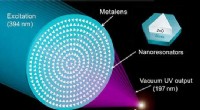
* Lenses in eyeglasses and cameras: Lenses are designed to bend light in specific ways to focus images.
In conclusion: The bending of light, or refraction, is a result of the change in light's speed as it transitions from one medium to another. This phenomenon plays a crucial role in how we perceive the world around us.