Magnets possess several distinctive physical properties:
1. Magnetism: The most defining property. Magnets generate a magnetic field, an invisible area around the magnet where magnetic forces are exerted. This force attracts or repels other magnetic materials.
2. Magnetic Poles: Magnets have two poles, a north pole and a south pole. Opposite poles attract each other, while like poles repel.
3. Magnetic Flux: The magnetic field lines, visualized as flowing from the north pole to the south pole, represent the magnetic flux. The strength of the flux indicates the strength of the magnetic field.
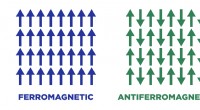
4. Magnetic Moment: A measure of the magnetic strength of a magnet. It is determined by the size and shape of the magnet, as well as the type of material it is made of.
5. Magnetic Permeability: The ease with which a material allows magnetic lines of force to pass through it. Magnetic materials like iron have high permeability, while non-magnetic materials like wood have low permeability.
6. Magnetic Susceptibility: A measure of how easily a material can be magnetized. Materials with high susceptibility readily become magnetized when exposed to a magnetic field.
7. Retentivity: The ability of a magnet to retain its magnetism after the external magnetic field is removed. Permanent magnets have high retentivity.
8. Coercivity: The strength of the magnetic field needed to demagnetize a magnet.
9. Magnetic Field Strength: The intensity of the magnetic field at a given point. It is measured in units like Tesla (T) or Gauss (G).
10. Shape and Size: The shape and size of a magnet affect its magnetic field strength and direction.
11. Material Composition: The type of material used to make a magnet significantly impacts its magnetic properties. Different materials have varying magnetic strengths, permeability, and retentivity.
12. Temperature: Magnetic properties can change with temperature. Some magnets lose their magnetism at high temperatures.
Understanding these physical properties helps us to manipulate and use magnets effectively in various applications, from simple compasses to complex medical imaging technologies.