Here's a breakdown:
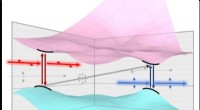
* Electric Potential Difference (Voltage): This is the difference in electrical potential energy between two points in a circuit. It's like the difference in height between two points on a hill. The greater the difference in potential, the stronger the force driving electrons.
* Electrons: These are negatively charged particles that exist in the outer shells of atoms. They are the "charge carriers" in most electrical circuits.
* Motion: When there's a potential difference, electrons are "pushed" from areas of high potential (more negative) towards areas of low potential (less negative). This movement of electrons constitutes an electric current.
Analogy: Imagine a water slide. The height difference between the top and bottom of the slide creates a potential difference, causing water to flow downhill. Similarly, in an electric circuit, the voltage difference creates a potential difference that drives the electrons to flow.
Key Components:
* Power Source: This creates the potential difference (voltage) that drives the electrons. Examples include batteries and generators.
* Circuit: This provides a path for the electrons to flow, usually consisting of wires, resistors, and other components.
In summary: Voltage (potential difference) is the driving force that sets electrons into motion in an electric circuit. The higher the voltage, the stronger the force and the greater the current flow.