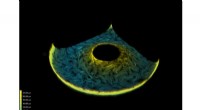
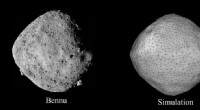
* Higher density = Slower wave speed: A denser medium has more particles packed closer together, leading to more interactions and resistance as the wave propagates. Think of a wave in a crowded room – it's harder for the wave to move through than in a sparsely populated room.
* Lower density = Faster wave speed: A less dense medium has fewer particles per unit volume, allowing the wave to travel with less resistance. Imagine a wave in a less crowded room – it can move faster.
Examples:
* Sound Waves: Sound travels faster in solids than in liquids, and faster in liquids than in gases. This is because solids are denser than liquids, and liquids are denser than gases.
* Light Waves: While light waves travel at a constant speed in a vacuum, their speed changes as they enter different mediums. The speed of light is slower in denser mediums like glass or water compared to air, a less dense medium.
Key factors to consider:
* Type of wave: The relationship between wave speed and density can vary slightly depending on the type of wave (e.g., sound, light, water waves).
* Other properties: Density is not the only factor affecting wave speed. The stiffness or elasticity of the medium also plays a significant role.
In summary:
The denser the medium, the more the wave has to interact with the particles in the medium, slowing it down. The less dense the medium, the less the wave interacts, allowing it to travel faster.