Friction plays a role:
* Heat Generation: When you strike a match, the friction between the match head and the striking surface generates heat. This heat is crucial for the next step.
* Chemicals in the Match Head: The match head contains chemicals that are easily ignited by heat.
The Bigger Picture:
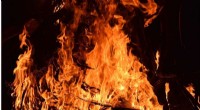
* Chemical Reaction: The heat from friction triggers a chemical reaction within the match head. This reaction releases a lot of energy, causing the match to burst into flames.
* Oxidizer: The match head contains an oxidizer, usually potassium chlorate, which helps the chemical reaction proceed rapidly.
* Fuel: The match head also contains a fuel, like sulfur or phosphorus, that burns quickly in the presence of the oxidizer.
So, in short: Friction creates the heat necessary to trigger the chemical reaction in the match head, which ultimately leads to the flame.