Understanding the Fresnel Biprism
* Shape: A Fresnel biprism is essentially two prisms joined at their bases. The angle between the two halves is very small.
* Key Property: The critical element is that the two halves of the biprism have different refractive indices (how much they bend light).
How Light Bends
* Refraction: When light travels from one medium to another (like from air to glass), it changes speed. This change in speed causes the light ray to bend, a phenomenon called refraction.
* Angle of Incidence: The angle at which light enters the biprism (the angle of incidence) determines how much it bends.
The Fresnel Biprism in Action
1. Two Paths: A single beam of light hits the Fresnel biprism. Because the biprism has two halves with different refractive indices, the light splits into two beams.
2. Different Bending: Each beam passes through a different half of the biprism. Since the two halves have different refractive indices, the light bends differently in each half. This results in:
* One beam bending upwards (towards the thicker part of the prism).
* The other beam bending downwards (towards the thinner part of the prism).
The Result: Interference
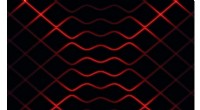
The two beams that emerge from the Fresnel biprism are now traveling in slightly different directions. Because they originate from the same light source, they interfere with each other, creating alternating bright and dark bands (interference fringes).
Key Point: It's not just the shape of the biprism, but the difference in refractive indices between the two halves that causes the light to bend upwards and downwards.