* Different airplanes have different designs and capabilities. A small Cessna will be much slower than a Boeing 747 or an F-22 Raptor.
* Speed is affected by factors like altitude, weight, and atmospheric conditions. An airplane can fly faster at higher altitudes and with less weight.
Here are some examples of airplane speeds:
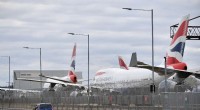
* Commercial airliners: Typically cruise at speeds around 500-550 mph (800-900 km/h).
* Fighter jets: Can reach speeds well over Mach 2 (1,500 mph or 2,400 km/h).
* Experimental aircraft: Some experimental aircraft have reached speeds exceeding Mach 10 (7,600 mph or 12,200 km/h).
The fastest aircraft ever flown is the X-15, which reached a speed of Mach 6.72 (4,520 mph or 7,280 km/h) in 1967.
It's important to note that these speeds are just examples. The actual top speed of an airplane will vary depending on the factors mentioned above.