Good Conductors:
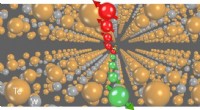
* Metals: Metals are excellent conductors of heat due to their free electrons. These electrons can easily absorb and transfer thermal energy, allowing heat to travel quickly through the metal. Examples include copper, aluminum, silver, and gold.
* Some Liquids: Liquids like water are also good conductors of heat, though not as good as metals. The movement of liquid molecules facilitates heat transfer.
* Some Gases: Gases can conduct heat, but their conductivity is generally much lower than liquids or solids.
Poor Conductors (Insulators):
* Nonmetals: Nonmetals, like wood, plastic, rubber, and glass, are poor conductors of heat. Their electrons are tightly bound, hindering heat transfer.
* Gases: Most gases, especially those at low densities, are very poor conductors of heat. This is because their molecules are far apart, limiting collisions and energy transfer.
* Vacuum: A vacuum is the best insulator, as there are no molecules to transfer heat. This is why thermoses use a vacuum to prevent heat loss.
Factors Affecting Thermal Conductivity:
* Material: The composition of the material determines its ability to conduct heat.
* Temperature: Higher temperatures generally lead to increased thermal conductivity.
* Density: Denser materials tend to be better conductors because their molecules are closer together.
* Phase: Solids are generally better conductors than liquids, and liquids are better conductors than gases.
Examples:
* A metal spoon conducts heat well, so it quickly becomes hot when placed in a hot cup of coffee.
* A wooden spoon is a poor conductor, so it stays relatively cool when used to stir hot food.
* A thick layer of insulation in a house prevents heat loss during winter and heat gain during summer.
It's important to note that the term "conductor" is relative. No material is a perfect conductor or insulator. Even the best insulator will transfer some heat, while even the best conductor will lose some heat to its surroundings.