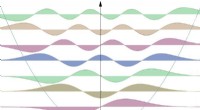
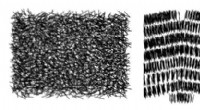
* Atoms in Motion: Atoms in a solid are constantly vibrating. The hotter the solid, the more vigorous the vibrations.
* Collision and Energy Transfer: When a hotter region of the solid comes into contact with a cooler region, the atoms with more kinetic energy (due to higher vibrations) collide with the atoms in the cooler region. This collision transfers some of their kinetic energy to the less energetic atoms.
* Chain Reaction: This energy transfer continues as the newly energized atoms collide with their neighbors, causing the vibrations to spread throughout the solid. The process repeats itself, ultimately transferring heat from the hotter to the cooler region.
Factors Affecting Heat Conduction:
* Material Type: Different materials have different abilities to conduct heat. Metals are excellent conductors due to their free electrons that can easily carry energy, while materials like wood and plastic are poor conductors (good insulators).
* Temperature Difference: The greater the temperature difference between the hot and cold regions, the faster the heat transfer.
* Surface Area: A larger surface area in contact allows for more collisions and faster heat transfer.
* Thickness: A thicker material offers more resistance to heat flow, slowing down the transfer.
Examples of Heat Conduction in Solids:
* Heating a metal pan: The heat from the stove burner is conducted through the pan, eventually heating the food inside.
* Holding a hot cup: The heat from the cup transfers to your hand through conduction.
* A metal spoon in hot soup: The spoon heats up as the heat from the soup is conducted through the metal.
Let me know if you'd like more details on any of these concepts!