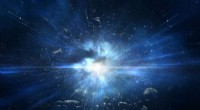
* Nuclear Energy: This is the energy stored within the nucleus of an atom. It's released through nuclear fission (splitting atoms) or fusion (combining atoms). This energy is incredibly powerful and is the foundation for many of the other energy forms.
* Kinetic Energy: This is the energy of motion. When nuclear energy is released, it causes particles to move rapidly, creating kinetic energy. Think of the heat generated in a nuclear reactor, or the fast-moving particles released in a nuclear explosion.
* Elastic Energy: This is energy stored in a material due to its deformation, like a stretched rubber band. Though not directly related to nuclear energy, elastic energy is a form of mechanical energy that can be harnessed and used to perform work, similar to how kinetic energy is used.
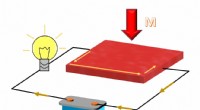
* Electrical Energy: Nuclear energy can be used to generate electricity. Here's how:
* Nuclear Reactor: Nuclear fission in a reactor creates heat.
* Heat to Steam: This heat is used to boil water, generating steam.
* Steam Turbine: The steam drives a turbine, turning a shaft.
* Generator: The rotating shaft within a generator creates electricity.
* Gravitational Energy: Nuclear energy doesn't directly create gravitational energy. However, nuclear fusion, the process that powers stars, is driven by gravity. The immense gravitational force within stars compresses matter, creating the extreme heat and pressure needed for fusion.
* Chemical Energy: This is energy stored in the bonds between atoms within molecules. Nuclear reactions can create new elements and isotopes, which can then form new molecules with different chemical properties and energy levels.
* Light Energy: This is energy that travels in the form of electromagnetic waves. Nuclear reactions can emit light energy in the form of gamma rays, which are highly energetic forms of light.
Key Connections:
* Nuclear Energy → Kinetic Energy: Nuclear reactions release energy that sets particles in motion.
* Nuclear Energy → Heat Energy: This kinetic energy manifests as heat, which can be harnessed for various purposes.
* Nuclear Energy → Electrical Energy: Heat from nuclear reactions drives turbines to generate electricity.
* Nuclear Energy → Chemical Energy: Nuclear reactions can create new elements, leading to the formation of new molecules with chemical energy.
* Nuclear Energy → Light Energy: Nuclear reactions release light energy, including gamma rays.
In Summary:
Nuclear energy is a powerful source that fuels many other forms of energy. It sets things in motion (kinetic energy), generates heat (thermal energy), powers electricity production, and can even create new chemical compounds. The connection between these forms of energy highlights the interconnectedness of the universe and how energy can transform from one form to another.