Types of Friction:
* Solid-Solid Friction: This is the most common type of friction we experience, like rubbing your hands together or a car's tires on the road.
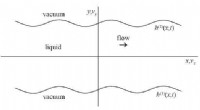
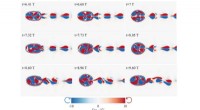
* Fluid Friction: This involves fluids (liquids or gases). Examples include air resistance on a moving car or the friction between water and a boat.
* Internal Friction: This occurs within a single material as its parts move relative to each other. Think of the internal friction within a thick syrup as you stir it.
Why it occurs:
Friction arises from the intermolecular forces between the surfaces in contact. These forces are present regardless of whether the surfaces are solid, liquid, or gaseous.
Examples:
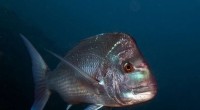
* Fluid Friction: A fish swimming through water experiences friction due to the water molecules clinging to its scales.
* Internal Friction: When you stir honey, the friction between the honey molecules slows down the spoon's movement.
Important Note: Friction is a complex phenomenon with different types and factors affecting its strength. However, the fundamental principle is that any interaction between surfaces, regardless of their state of matter, can generate friction.