1. Thrust and Direction:
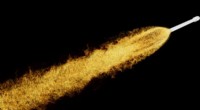
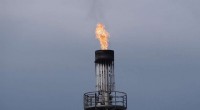
* Thrust: The engine burns fuel and expels hot gas out the nozzle, generating thrust – a force that pushes the rocket upwards.
* Direction: The thrust vector (direction of the thrust) is crucial. It's usually directed slightly upwards, counteracting gravity's pull. This upward angle is essential for lifting off the ground and gaining altitude.
2. Guidance System:
* Gyroscopes: These devices measure the rocket's orientation and detect any deviations from the intended trajectory.
* Sensors: Various sensors (like accelerometers, star trackers, and inertial measurement units) provide data about the rocket's motion and position.
* Computer: The rocket's onboard computer receives data from the sensors and uses it to calculate the necessary corrections.
* Actuators: These are controlled by the computer and adjust the direction of thrust by moving the engines or fins.
3. Stability:
* Fins: These aerodynamic surfaces are crucial for stability. They generate lift and counter any tendency for the rocket to tumble.
* Center of Gravity and Center of Pressure: For a rocket to be stable, the center of gravity (where the weight is concentrated) needs to be below the center of pressure (where aerodynamic forces are concentrated).
4. Trajectory Corrections:
* Mid-flight Adjustments: The guidance system constantly monitors the rocket's course and makes small adjustments to the thrust direction to stay on track.
* Course Correction Maneuvers: For larger adjustments, the rocket might perform short bursts of engine firing to change its trajectory significantly.
5. Gravity's Influence:
* Ballistic Trajectory: Despite the guidance system and stability measures, gravity constantly pulls the rocket downwards, resulting in a curved trajectory.
* Apogee: The highest point of the trajectory is called the apogee. After this, the rocket begins to fall back towards Earth.
In conclusion:
While rockets might appear to fly straight, they actually follow a carefully planned ballistic trajectory. The combination of thrust, guidance systems, and stability measures allows them to stay on course and achieve their desired destination.