1. Chemistry:
* Basis for chemical reactions: Physics explains the behavior of atoms and molecules, the building blocks of all matter. It's essential to understand the forces holding atoms together (electromagnetism) and the energy changes involved in chemical reactions (thermodynamics).
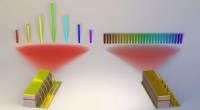
* Spectroscopy: The way light interacts with matter (a physics concept) is used to identify molecules and their properties (chemistry).
2. Biology:
* Cellular processes: Physics explains how cells function, from the movement of molecules across membranes (diffusion) to the generation of electrical signals (electromagnetism).
* Biomechanics: Physics explains how the body moves and exerts forces (mechanics), impacting fields like bioengineering and sports science.
3. Geology:
* Plate tectonics: Physics explains the forces driving the Earth's tectonic plates (geophysics).
* Formation of minerals and rocks: Physics helps explain the processes of crystallization and how minerals form under various conditions (mineralogy).
4. Astronomy:
* Understanding celestial bodies: Physics is used to study the properties of stars, planets, galaxies, and black holes (astrophysics).
* Cosmology: Physics explains the origin and evolution of the universe (cosmology).
5. Engineering:
* Designing structures and machines: Physics principles like mechanics, thermodynamics, and electromagnetism are vital for engineering designs.
* Developing new technologies: Physics research leads to advancements in various fields, from electronics and materials science to energy and transportation.
6. Computer Science:
* Quantum computing: Physics is exploring the potential of using quantum mechanics to develop more powerful computers.
* Computer simulations: Physics-based simulations are used to model complex systems and predict their behavior in fields like weather forecasting and drug design.
7. Medicine:
* Medical imaging: Physics underpins technologies like X-rays, MRI, and PET scans, allowing for diagnosis and treatment.
* Radiation therapy: Understanding the interaction of radiation with matter (physics) is crucial for cancer treatment.
8. Environmental Science:
* Climate change: Physics explains the greenhouse effect and other processes driving climate change (climatology).
* Pollution control: Physics principles are used to develop technologies for reducing pollution and improving air and water quality.
9. Psychology:
* Neurophysics: Physics is used to study the electrical and chemical activity of the brain, contributing to our understanding of cognition and behavior.
In summary, physics is a fundamental science that provides the building blocks for understanding the world around us. Its principles are applied across numerous other fields, leading to advancements in technology, medicine, and many other areas of human endeavor.