* Air has a consistent density: Air is a mixture of gases (primarily nitrogen and oxygen). Under normal conditions, the density of air remains relatively constant. This means that a given volume of air will always contain a specific amount of mass.
* Changes in density: What can change is the density of air, which is the mass per unit volume. Here are some ways density can change:
* Temperature: Warmer air is less dense because the molecules move farther apart.
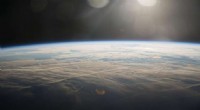
* Altitude: Air pressure decreases at higher altitudes, leading to lower density.
* Humidity: Moist air is slightly less dense than dry air because water vapor has a lower molecular weight than the other gases in air.
Therefore, instead of saying "less mass," it's more accurate to say that the density of air can change.
In summary:
* You can't have "less mass" in a given volume of air; the mass remains the same.
* What can change is the density of air, which is affected by factors like temperature, altitude, and humidity.