Here's a breakdown of what it means:
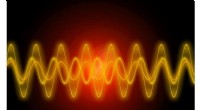
1. Frequency Modulation (FM)
* In FM, the frequency of the radio wave is changed, or modulated, to represent the information being transmitted (e.g., sound, data).
* The amplitude of the wave remains constant.
* This is different from amplitude modulation (AM), where the amplitude of the wave varies to represent the information.
2. Frequency Pushing in FM Transmission
* When the modulating signal (the information being transmitted) becomes strong, the frequency of the FM wave can be pushed outside of its intended frequency range.
* This is known as "frequency pushing".
* In other words, the frequency deviates further than it should, leading to distortion in the received signal.
* This is often caused by a strong audio signal being fed into the FM transmitter.
3. Consequences of Frequency Pushing
* Distortion: The audio signal can become distorted, with noticeable artifacts like clipping and fuzziness.
* Interference: The pushed frequency can overlap with other radio signals in the vicinity, leading to interference and garbled transmissions.
* Compliance issues: In some cases, frequency pushing can violate regulations regarding allowed frequency deviations, leading to potential legal issues.
4. Preventing Frequency Pushing
* Proper audio levels: Ensure the audio signal going into the FM transmitter is within acceptable levels to avoid overloading it.
* Limiter circuits: Using limiters in the audio chain can prevent the signal from exceeding the maximum acceptable level.
* Proper transmitter setup: Ensure the transmitter is correctly calibrated and configured to prevent excessive frequency deviation.
In summary, frequency pushing is a phenomenon that occurs in FM radio transmission when the modulating signal is too strong, causing the carrier frequency to deviate beyond its intended range. This can lead to distortion, interference, and potential regulatory violations. Proper audio levels, limiter circuits, and transmitter setup can help prevent this issue.