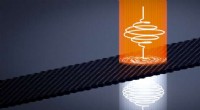
* Change in Speed: Light travels slower in denser mediums. So, as the light wave enters the glass, its speed decreases.
* Change in Direction: Because the speed changes, the direction of the wave also changes. The light wave bends towards the normal (an imaginary line perpendicular to the surface of the glass).
* Angle of Refraction: The amount the light bends depends on the angle at which it enters the glass (the angle of incidence) and the refractive indices of the two mediums (air and glass).
Key Points:
* Snell's Law: This law describes the relationship between the angles of incidence and refraction and the refractive indices of the two mediums.
* Refraction is responsible for many everyday phenomena: It's why objects appear bent in water, why rainbows form, and how lenses in eyeglasses and cameras work.
Let me know if you'd like a more detailed explanation of Snell's Law or any specific examples of refraction!