1. Friction: This is a force that opposes motion between two surfaces in contact. There are different types of friction:
* Static friction: Acts on objects at rest, preventing them from moving.
* Kinetic friction: Acts on objects in motion, slowing them down.
2. Air Resistance (Drag): This force opposes the motion of objects through air. The faster the object moves, the greater the air resistance.
3. Gravity: This force pulls objects towards the center of the Earth, resisting upward motion.
4. Tension: A force that exists in a rope, cable, or similar object when it is pulled tight. Tension can resist motion if it is pulling against the direction of the desired motion.
5. Normal Force: This is the force exerted by a surface on an object in contact with it, acting perpendicular to the surface. It can resist motion by preventing objects from falling through surfaces.
6. Magnetic Force: This force can attract or repel objects based on their magnetic properties. It can be used to resist motion by creating a force that opposes the desired movement.
7. Electrical Force: Similar to magnetic force, electrical forces can attract or repel charged objects. This force can also be used to resist motion.
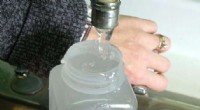
8. Viscosity: This is a property of fluids that resists motion within the fluid. Think of honey vs. water - honey is much more viscous and resists motion more strongly.
The specific force resisting motion depends on the situation and the type of motion involved. For example, friction is the main force resisting a car sliding to a stop, while air resistance is the dominant force for a falling leaf.