Strength:
* Intensity: The intensity of infrared radiation refers to the amount of energy it carries per unit area. This is more commonly referred to as power and measured in units like Watts (W) or milliwatts (mW). A higher intensity means more energy is being emitted.
* Wavelength: Infrared radiation exists over a range of wavelengths, with different wavelengths carrying different amounts of energy. Longer wavelengths (like far-infrared) carry less energy than shorter wavelengths (like near-infrared).
Length:
* Wavelength: Instead of length, we talk about wavelength. This refers to the distance between two crests of an infrared wave. Infrared radiation is typically categorized by wavelength:
* Near-infrared: 0.75 - 1.4 micrometers (µm)
* Mid-infrared: 1.4 - 3 µm
* Far-infrared: 3 - 100 µm
So, how do we understand infrared radiation?
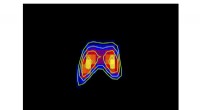
* The amount of energy: This is determined by the intensity of the radiation, which depends on the source and its temperature.
* The type of infrared: This is determined by the wavelength. Different wavelengths interact with materials differently, which is why infrared technology is used for things like thermal imaging and remote sensing.
Think of it like this:
* Imagine you are holding a light bulb. The brightness of the bulb is like the intensity of infrared radiation.
* The color of the light bulb is like the wavelength of the infrared radiation.
Let me know if you have any other questions about infrared radiation.