What is friction?
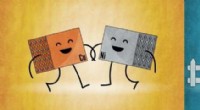
* A resistance to motion: Friction acts as a brake, resisting any attempt to move one surface over another. The rougher the surfaces, the more friction they create.
* Generated at the contact point: It arises from the interactions between the microscopic bumps and irregularities on the surfaces in contact.
* Can be static or kinetic:
* Static friction prevents objects from moving when a force is applied, keeping them stationary. Think of a book resting on a table.
* Kinetic friction acts on moving objects, slowing them down. Imagine a car braking, the brakes generate friction to stop the wheels.
Types of friction:
* Dry friction: Occurs between solid surfaces. It's divided into static and kinetic friction.
* Fluid friction: Occurs between a fluid (like air or water) and a solid object. It's responsible for air resistance and water resistance.
* Internal friction: Occurs within a solid object when it is deformed.
Importance of friction:
* Essential for everyday life: Friction allows us to walk, drive, grip objects, and even write. Without friction, we'd be slipping and sliding everywhere!
* Can be both beneficial and detrimental:
* Beneficial: Friction helps to generate heat in machines (like car engines) and is used in brakes to slow down vehicles.
* Detrimental: Friction can cause wear and tear on machinery, increase energy consumption, and even generate unwanted heat.
Factors affecting friction:
* Surface roughness: Rougher surfaces create more friction.
* Normal force: The force pressing the surfaces together. Higher force means more friction.
* Materials: Different materials have different frictional properties.
* Presence of lubricants: Lubricants reduce friction between surfaces.
Understanding friction is essential for:
* Engineering: Designing machines and structures that minimize or maximize friction as needed.
* Physics: Explaining motion, energy transfer, and other physical phenomena.
* Everyday life: Making informed decisions about how to use friction to our advantage or minimize its negative effects.
Let me know if you have any further questions about friction!