* Compression: When you push on one end of the slinky, you create a region where the coils are closer together. This is a compression.
* Expansion: As the compression travels down the slinky, the coils behind it spread out, creating a region of expansion or rarefaction.
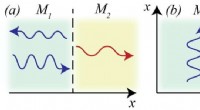
This pattern of compression and expansion continues as the wave moves along the slinky. The particles in the medium (the coils of the slinky) oscillate back and forth in the same direction as the wave is traveling.
Here's a breakdown of how it works:
1. Source of disturbance: A disturbance, like a push on the slinky, creates a compression.
2. Compression propagates: The compression travels through the medium, pushing on the particles ahead of it.
3. Expansion follows: As the compression moves, the particles behind it move back to their original positions, creating an expansion.
4. Cycle repeats: This cycle of compression and expansion continues, transferring energy through the medium without transferring matter.
Examples of longitudinal waves:
* Sound waves: Sound travels through air, water, and solids by compressing and expanding the molecules in the medium.
* Seismic P-waves: These waves are responsible for the initial shaking during an earthquake and travel through the Earth's interior by compressing and expanding the rock.
Key takeaway: Longitudinal waves move by compressing and expanding the medium they travel through, with the particles oscillating parallel to the wave's direction of travel.