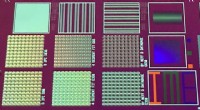
Here are some examples of physical properties in a solid, categorized for easier understanding:
1. Appearance:
* Color: The color of a solid, like the golden color of gold or the white color of snow.
* Luster: The way a solid reflects light, like the shiny luster of a metal or the dull luster of a rock.
* Transparency: Whether light can pass through the solid, like transparent glass or opaque wood.
* Texture: How the surface feels to the touch, like smooth glass, rough sandpaper, or soft velvet.
2. Shape and Size:
* Shape: Whether the solid has a definite shape (like a cube) or an indefinite shape (like a puddle of clay).
* Volume: The amount of space a solid occupies.
* Density: The ratio of mass to volume, determining how compact the solid is.
* Hardness: A solid's resistance to scratching or indentation, like diamond being the hardest naturally occurring mineral.
3. Other Properties:
* Melting Point: The temperature at which a solid changes into a liquid.
* Boiling Point: The temperature at which a solid changes directly into a gas.
* Conductivity: The ability to conduct heat or electricity.
* Magnetism: The property of being attracted or repelled by a magnet.
* Brittleness: The tendency to break easily under stress.
* Malleability: The ability to be hammered or pressed into thin sheets.
* Ductility: The ability to be drawn into thin wires.
Important Note: Physical properties can be observed without changing the chemical composition of the solid. This means that the solid remains the same substance, even after being tested for these properties. For example, measuring the density of iron does not change the fact that it is still iron.