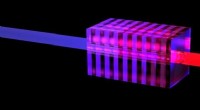
Refraction is the bending of light as it passes from one medium to another. Imagine a straw in a glass of water. It appears bent at the water's surface, right? That's refraction in action!
Here's why it happens:
1. Light Travels at Different Speeds: Light doesn't travel at the same speed in all materials. It travels faster in air than in water, for example.
2. Change in Direction: When light moves from one medium to another, it changes speed. This change in speed causes the light wave to bend.
3. Angle of Incidence and Refraction: The amount of bending depends on two factors:
* Angle of Incidence: The angle at which the light strikes the surface.
* Index of Refraction: A number that describes how much a material slows down light. A higher index of refraction means more bending.
Imagine this:
Think of a car driving on a smooth road. Now, imagine that the car suddenly encounters a patch of mud. The car will slow down and change direction slightly as it moves from the smooth road to the mud. This is similar to what happens to light during refraction.
Examples of Refraction in Everyday Life:
* Seeing a straw in water: The straw appears bent because light travels slower in water than in air, causing it to bend as it enters the water.
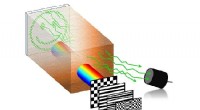
* Rainbows: Rainbows are formed by refraction and reflection of sunlight through raindrops.
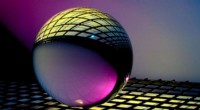
* Lenses in eyeglasses: Lenses bend light to correct vision problems.
Understanding refraction is crucial in fields like:
* Optics: Design of telescopes, microscopes, and other optical instruments.
* Meteorology: Understanding how light interacts with the atmosphere to create weather phenomena.
* Photography: Controlling how light interacts with the camera lens to capture images.
So, the next time you see a rainbow or look at something through a glass of water, remember that you're witnessing the fascinating phenomenon of refraction!