External Forces:
* Gravity (Fg): Always acts downwards, pulling the ball towards the center of the Earth.
* Normal Force (Fn): Acts perpendicular to the surface the ball is rolling on, counteracting the force of gravity and preventing the ball from sinking into the surface.
* Friction (Ff): Acts parallel to the surface, opposing the motion of the ball. There are two types of friction to consider:
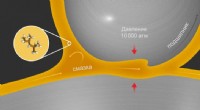
* Rolling Friction: This is the friction that arises from the deformation of the ball and the surface as the ball rolls. It's generally smaller than sliding friction.
* Air Resistance (Drag): This force opposes the ball's motion through the air. It increases with the ball's speed and the surface area exposed to the air.
Internal Forces:
* Inertia: This isn't technically a force, but it's a property of matter that resists changes in motion. It's why a rolling ball continues to roll until a force stops it.
Important Notes:
* No Sliding: A perfectly rolling ball experiences no sliding friction. The point of contact with the surface is momentarily stationary.
* Force of Rolling: While we don't typically think of a rolling ball as having a single "force of rolling," the ball's momentum and rotational inertia contribute to its continuous motion.
Example:
Imagine a ball rolling down a hill.
* Gravity: Pulls the ball down the hill, causing it to accelerate.
* Normal Force: Acts perpendicular to the hill, preventing the ball from sinking into the ground.
* Friction: Opposes the ball's motion, slowing it down slightly.
* Air Resistance: Also opposes the motion, becoming more significant at higher speeds.
The interplay of these forces determines the ball's speed, direction, and eventual stopping point.