Conduction:
* Mechanism: Direct transfer of heat between objects in contact. The hotter object transfers heat to the cooler one.
* How the body loses heat: When your skin is in contact with a cooler surface, like a cold chair or the ground, heat is transferred from your body to the surface. This is why sitting on a cold stone floor feels colder than sitting on a wooden floor.
* Factors affecting conduction: The difference in temperature between the body and the surface, the surface area of contact, and the material's thermal conductivity (how easily heat flows through it).
Convection:
* Mechanism: Heat transfer through the movement of fluids (liquids or gases). Warm air or water rises, carrying heat away from the source.
* How the body loses heat:
* Air Convection: When the air around your body is cooler than your skin temperature, the warm air near your skin rises and is replaced by cooler air. This constant movement of air helps cool you down. This is why fans and wind can make you feel cooler.
* Water Convection: When you're in water, the same process occurs. Warm water near your skin moves away, replaced by cooler water, leading to heat loss.
* Factors affecting convection: The difference in temperature between your body and the surrounding air/water, the speed of the air/water movement, and the surface area exposed to the air/water.
Radiation:
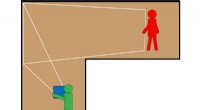
* Mechanism: Heat transfer through electromagnetic waves. All objects emit radiation, and the hotter the object, the more radiation it emits.
* How the body loses heat: Your body constantly emits infrared radiation, which is invisible to the human eye. When the surroundings are cooler than your body, you lose heat through radiation. This is why you feel cooler when you're in a room with cold walls, even if the air temperature is comfortable.
* Factors affecting radiation: The temperature difference between your body and the surroundings, the surface area of your body exposed, and the color of your clothing (darker colors absorb more radiation).
In summary:
Your body loses heat through a combination of these three mechanisms. The relative importance of each depends on factors like the ambient temperature, humidity, and your activity level. For instance, conduction plays a significant role when you're in direct contact with a cold surface, while convection is more important when you're moving around or exposed to wind. Radiation is always occurring, but its importance increases in colder environments.