Bimetallic thermometers rely on the principle of thermal expansion. Here's a breakdown of how they function:
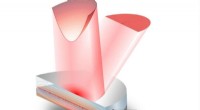
1. The Bimetallic Strip: The core component is a bimetallic strip, which consists of two different metals with distinct thermal expansion coefficients. This means they expand or contract at different rates when exposed to temperature changes.
2. Expansion and Contraction: When the temperature rises, the metal with a higher expansion coefficient expands more than the other metal. This difference in expansion creates a bending or curvature in the strip. Conversely, when the temperature drops, the strip contracts and bends in the opposite direction.
3. Pointer Movement: This bending motion is connected to a pointer through a mechanical linkage. As the strip bends, the pointer moves along a calibrated scale, indicating the temperature.
4. Calibration: Each bimetallic thermometer is carefully calibrated to ensure accurate temperature readings. The scale is typically calibrated in degrees Celsius or Fahrenheit.
Key Features of Bimetallic Thermometers:
* Simplicity: Their design is relatively simple, making them inexpensive and easy to maintain.
* Durability: They are robust and can withstand harsh environments.
* Direct Measurement: They provide a direct reading of the temperature, unlike some other types of thermometers.
* Limitations:
* Accuracy: Bimetallic thermometers are typically less accurate than other types, especially at extreme temperatures.
* Limited Range: They have a limited temperature range due to the melting point of the metals used in the strip.
* Slow Response: They can be slower to respond to temperature changes compared to other types of thermometers.
Applications:
Bimetallic thermometers are widely used in various applications, including:
* Home and Office: Room thermometers, ovens, and refrigerators.
* Industrial Processes: Monitoring temperatures in machinery, furnaces, and other industrial equipment.
* Automotive: Dashboards and engine temperature gauges.
* Weather Stations: Recording outdoor temperatures.
In Summary:
Bimetallic thermometers work by utilizing the different thermal expansion rates of two metals. This expansion and contraction cause the strip to bend, moving a pointer along a calibrated scale to indicate the temperature. While simple and durable, they are limited in accuracy and response time compared to more sophisticated thermometers.