Types of Friction and Velocity
* Static Friction: This friction acts on an object at rest, preventing it from moving. Its magnitude increases as the applied force increases until it reaches a maximum value, known as the "static friction force." Once this limit is exceeded, the object starts moving, and static friction transitions to kinetic friction.
* Velocity: Static friction is independent of velocity as the object is stationary.
* Kinetic Friction: This friction acts on an object in motion, opposing its movement. It is generally constant for a given pair of surfaces.
* Velocity: Kinetic friction is generally considered independent of velocity. This means that the force of friction is constant regardless of how fast an object is moving. However, in some cases, particularly at very high speeds, friction can be influenced by velocity (e.g., air resistance).
Factors Affecting Friction
* Nature of Surfaces: The type of materials in contact significantly influences friction. Rougher surfaces have higher friction than smoother ones.
* Normal Force: The force pressing the two surfaces together is the normal force. The higher the normal force, the greater the friction.
* Temperature: Temperature can influence friction to some extent. Higher temperatures can sometimes lead to lower friction due to changes in surface properties.
* Velocity (in some cases): While kinetic friction is typically considered independent of velocity, at high speeds, air resistance, a form of friction, becomes significant and increases with velocity.
Key Takeaways
* Static friction is independent of velocity.
* Kinetic friction is generally independent of velocity, but can be affected at very high speeds.
* Friction is primarily influenced by the nature of surfaces, the normal force, and temperature.
Examples
* Sliding a box: The kinetic friction acting on a box sliding across a floor is roughly constant regardless of the box's speed.
* A car braking: The friction between the brake pads and the rotors is primarily dependent on the force applied to the brakes, not the car's speed.
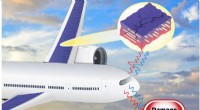
* An airplane in flight: Air resistance (a type of friction) increases dramatically with the plane's speed.
Let me know if you have any more questions about friction and its relation to velocity!