However, some concepts in physics might be loosely related to "payback time" depending on the context:
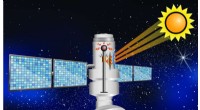
* Energy payback time: This term is sometimes used in discussions of renewable energy sources, referring to the time it takes for the energy used to produce a renewable energy system (e.g., solar panels) to be generated by the system itself. It's essentially the energy equivalent of the financial payback period.
* Time constant: In some physical systems, the time constant describes how quickly a system responds to a change in its input. For example, the time constant of an RC circuit in electronics determines how long it takes for the capacitor to charge or discharge. In a way, you could think of this as the "payback time" for the circuit to reach a certain level of charge.
It's important to remember that "payback time" is not a formal term in physics. If you encounter it in a physics context, it's essential to understand the specific meaning based on the situation and the author's intent.