Here's a breakdown:
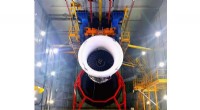
* Newton's Third Law of Motion: This law states that for every action, there is an equal and opposite reaction. When the airplane's engines produce thrust, pushing air backwards, the air pushes back on the plane with an equal and opposite force. This force propels the plane forward.
* Inertia: This is the tendency of an object to resist changes in motion. When the plane accelerates forward, your body wants to stay at rest due to inertia. This causes you to feel pushed back into your seat as the plane accelerates.
Here's a more detailed explanation:
1. Thrust: The airplane's engines generate thrust by pushing air backwards.
2. Reaction Force: This backward push on the air creates an equal and opposite force pushing the plane forward.
3. Acceleration: The plane accelerates forward due to the thrust.
4. Inertia: Your body, being at rest, resists this forward acceleration. This creates the sensation of being pushed backward into your seat.
Additional Factors:
* The angle of takeoff: A steeper takeoff angle will result in a greater backward force on your body due to the increased acceleration.
* The speed of acceleration: A faster acceleration will also lead to a stronger perceived backward force.
* Your weight: Heavier passengers will experience a greater backward force.
Overall, the sensation of being pushed back during takeoff is a direct result of the airplane's forward acceleration and your body's inertia. It's a fascinating example of how Newton's laws of motion play out in our everyday lives!