The Setup
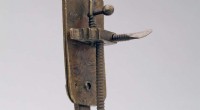
* Electroscope: An electroscope is a device that detects the presence of electric charge. It typically consists of a metal rod with two thin, lightweight leaves (often gold leaf) hanging from it.
* Charged Rod: You bring a charged rod (let's say it's negatively charged) near the electroscope.
The Explanation
1. Induction: When the negatively charged rod is brought near the electroscope, it repels the electrons in the electroscope's metal rod. These electrons move away from the rod and towards the leaves.
2. Repulsion: The leaves of the electroscope are now negatively charged, as they have an excess of electrons. Since like charges repel, the leaves push each other apart, causing them to diverge.
Why the Leaves Move Closer Together
If you remove the negatively charged rod, the electrons that were repelled towards the leaves will redistribute themselves throughout the electroscope. This causes the leaves to return to their neutral position and hang closer together.
Key Points
* Opposite Charges Attract: If you used a positively charged rod, the electrons in the rod would be attracted towards the rod, leaving the leaves with a net positive charge. This would still cause the leaves to diverge.
* Charging by Induction: This process of charging the electroscope without direct contact is called charging by induction.
Let me know if you'd like to delve deeper into the physics of electrostatics or explore other aspects of this demonstration!