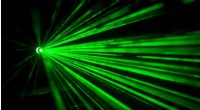
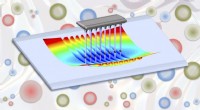
* Electromagnetic Radiation: Radiation is a form of energy that travels in the form of electromagnetic waves. These waves carry energy and can interact with matter.
* Absorption: When radiation strikes a solid object, some of the energy is absorbed by the object's atoms and molecules. This absorption causes the object's internal energy to increase, resulting in a rise in temperature.
* Reflection and Transmission: Not all radiation is absorbed. Some may be reflected back into the environment, and some may pass through the object (transmission). The amount of absorption, reflection, and transmission depends on the material and the wavelength of the radiation.
Examples:
* Sunlight: The sun emits radiation across a wide range of wavelengths, including visible light, infrared, and ultraviolet. When this radiation hits a solid object like a rock, some of it is absorbed, causing the rock to heat up.
* Microwave Oven: Microwave ovens generate electromagnetic radiation in the microwave frequency range. This radiation is absorbed by water molecules in food, causing them to vibrate and generate heat.
Key Concepts:
* Blackbody Radiation: A perfect blackbody absorbs all radiation incident upon it. Real objects are not perfect blackbodies, but they still absorb a significant amount of radiation.
* Emissivity: A measure of how effectively an object emits radiation. A higher emissivity means the object is a better emitter and absorber of radiation.
* Stefan-Boltzmann Law: This law describes the relationship between the total energy radiated by an object and its temperature.
In summary: Radiation transfer is a crucial process for heat transfer in many situations, and it plays a significant role in how solid objects interact with their surroundings.