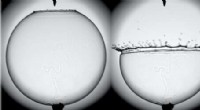
Here's a breakdown:
* Viscous drag is a type of friction that occurs when an object moves through a fluid (liquid or gas). It's caused by the internal friction of the fluid, which resists the object's movement.
* Fluid drag is a broader term that encompasses viscous drag and other forces that oppose motion in a fluid, such as pressure drag.
Factors affecting viscous drag:
* Velocity: The faster an object moves, the greater the viscous drag.
* Fluid viscosity: Thicker fluids (like honey) have higher viscosity and create more drag than thinner fluids (like water).
* Object shape and size: Streamlined shapes experience less drag than blunt shapes. Larger objects experience more drag than smaller objects.
* Surface roughness: Rough surfaces create more turbulence and therefore more drag.
Examples of viscous drag:
* Swimming: Water resistance against a swimmer's body.
* Flying: Air resistance against an airplane's wings.
* Driving: Air resistance against a car's body.
* Falling objects: Air resistance against a falling leaf or a skydiver.
Key takeaways:
* Viscous drag is a force that opposes motion in a fluid.
* It depends on factors like velocity, fluid viscosity, object shape and size, and surface roughness.
* Understanding viscous drag is important in many fields, including engineering, physics, and biology.