1. Actions and Movements:
* This is the most common interpretation. It refers to observable movements and actions of a living being, including:
* Gross motor skills: Walking, running, jumping, climbing, etc.
* Fine motor skills: Writing, drawing, using utensils, etc.
* Facial expressions: Smiling, frowning, raising eyebrows, etc.
* Body language: Posture, gestures, eye contact, etc.
2. Physical Reactions and Responses:
* This refers to how a body reacts to stimuli such as:
* Reflexes: Involuntary responses like the knee-jerk reaction.
* Physiological responses: Changes in heart rate, breathing, sweating, etc. in response to stress, excitement, or other emotions.
3. Physical Manifestations of Mental States:
* This refers to how physical behavior can be influenced by mental states:
* Emotional expression: Anger, sadness, joy, etc. can manifest in physical ways like clenched fists, slumped shoulders, or a bright smile.
* Mental disorders: Some mental disorders can cause physical symptoms like tremors, tics, or unusual movements.
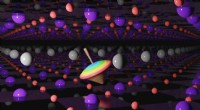
4. Physics and Physical Systems:
* In physics, "physical behavior" can refer to the actions and interactions of physical systems:
* The movement of particles: How atoms and molecules move and interact in a substance.
* The behavior of waves: How light, sound, and other waves propagate through space.
To understand the meaning of "physical behavior," it's crucial to consider the context in which it's used. Think about what the speaker or writer is trying to convey.
For example:
* "The child's physical behavior was disruptive in class." This refers to the child's actions, like running around or making noise.
* "The patient's physical behavior changed after medication." This refers to the patient's movements and responses, possibly becoming calmer or more active.
* "The physical behavior of gases is influenced by temperature and pressure." This refers to how gas molecules move and interact depending on external conditions.
By analyzing the context, you can determine the specific meaning of "physical behavior" in each instance.